Like driving on the wrong side of the road: Why Data Governance requires a new perspective
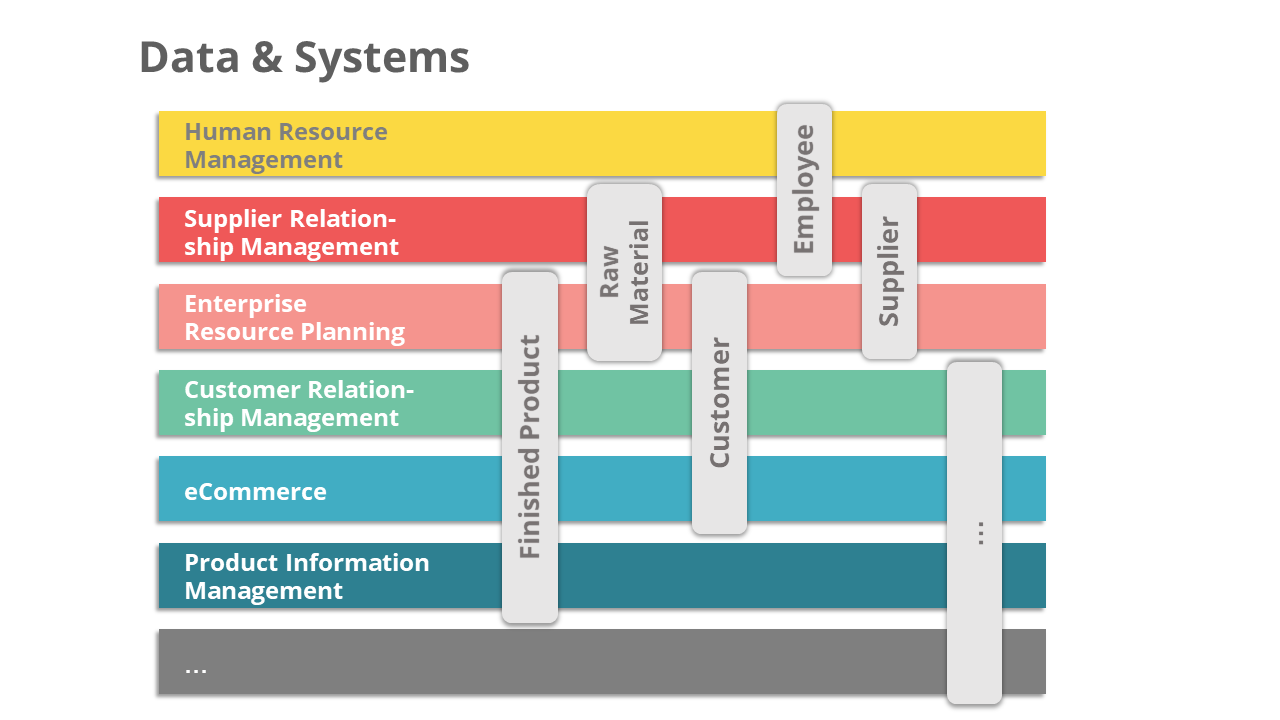
One of the first challenges for companies that decide to introduce Data Governance is that it tends to be hard for people to wrap their heads around how to scope it. While most other concepts in the IT-world tend to be vertically aligned towards IT system and projects, data floats horizontally across these.
Furthermore, while most IT initiatives, whether they are IT-projects or system changes are time-bound, robust data governance never really ends. So just like a runner would prepare differently for a 100-meter sprint and a marathon, you need to adjust your mindset when planning a Data Governance initiative.
Project centric Data Governance:
One of the most common but also one of the most dangerous approaches to Data Governance is to anchor it as part of an IT-project. Here the scope of the IT-project typically dictates the breadth of the Data Governance initiative. I have argued in the past for why large IT projects can be a godsend for getting a Data Governance project approved. However, there are some obvious pitfalls in linking the two too closely together.
First of all, an IT-project typically covers several data domains and a limited part of a business process. It also tends to be very clear who owns and sponsors the project. Data Governance on the other hand is focused on a singular data area at the time, but across the entire organization.
This means that if you model your Data Governance concept too closely to the stakeholders in a given project, you will lose out on input from all the data specialists in other parts of the organization. This can poison your Data Governance concept, especially if you are working on a large domain such as Product or Customer data.
Furthermore, much too often the Data Governance initiative is decommissioned as soon as the project is done, which means that you should expect to have to start from scratch within a few years.
System centric Data Governance:
Starting Data Governance from a system point-of-view has some clear benefits, but also serious pitfalls. On the one hand having a permanent Data Governance advisory board to advise and support your System and Change Advisory Boards can be a great advantage. However, the challenge comes when data flows to other systems, with its own set of stakeholders and priorities.
For instance, having strong governance of Customer Master Data in a CRM-system is in and of itself a great thing, but if there is no link to how the same data is managed in the neighbouring ERP-system, many of the benefits are going to disappear. This is the situation most companies are in when they realize that they have to “bite the bullet” and initiate a proper cross-organisational Data Governance initiative
Process centric Data Governance:
Using business processes as the starting point for Data Governance is not a bad idea. Processes cover different systems and departments, so conceptually the shift to Data Governance is much shorter than from projects or systems.
Remember however, that data still flows across processes. This means that particularly the larger data domains need attention from several process areas in order to reach the right level of Data Governance.
This should give you an idea of why Data Governance can be complicated to start, and the pitfalls to be aware of – especially if you are implementing it as a sidecar to a large IT project.
If you are starting out or redefining your Data Governance journey and need sparring or input, you are more than welcome to book a free 30-minute data call with me.